
Description
Product Overview
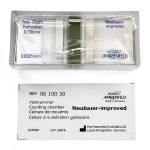
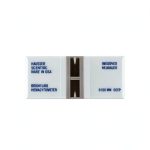
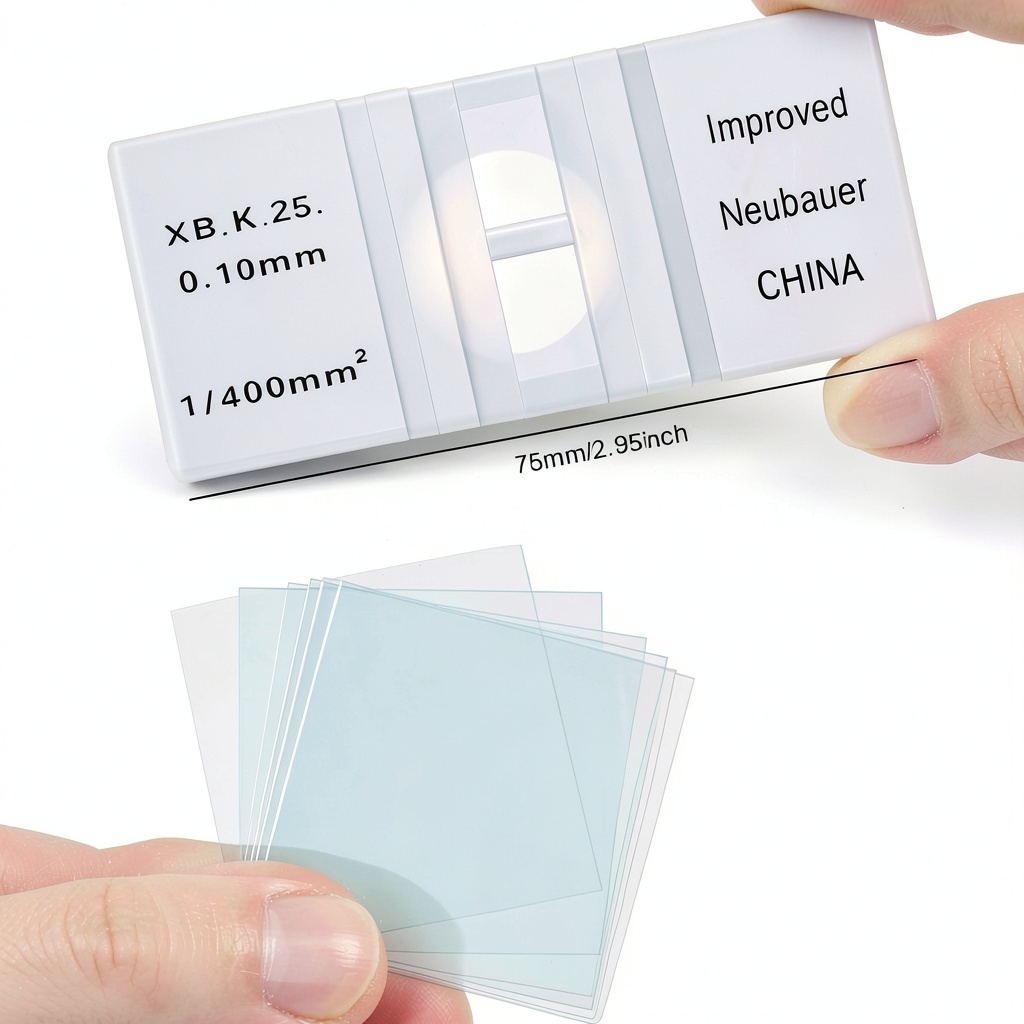
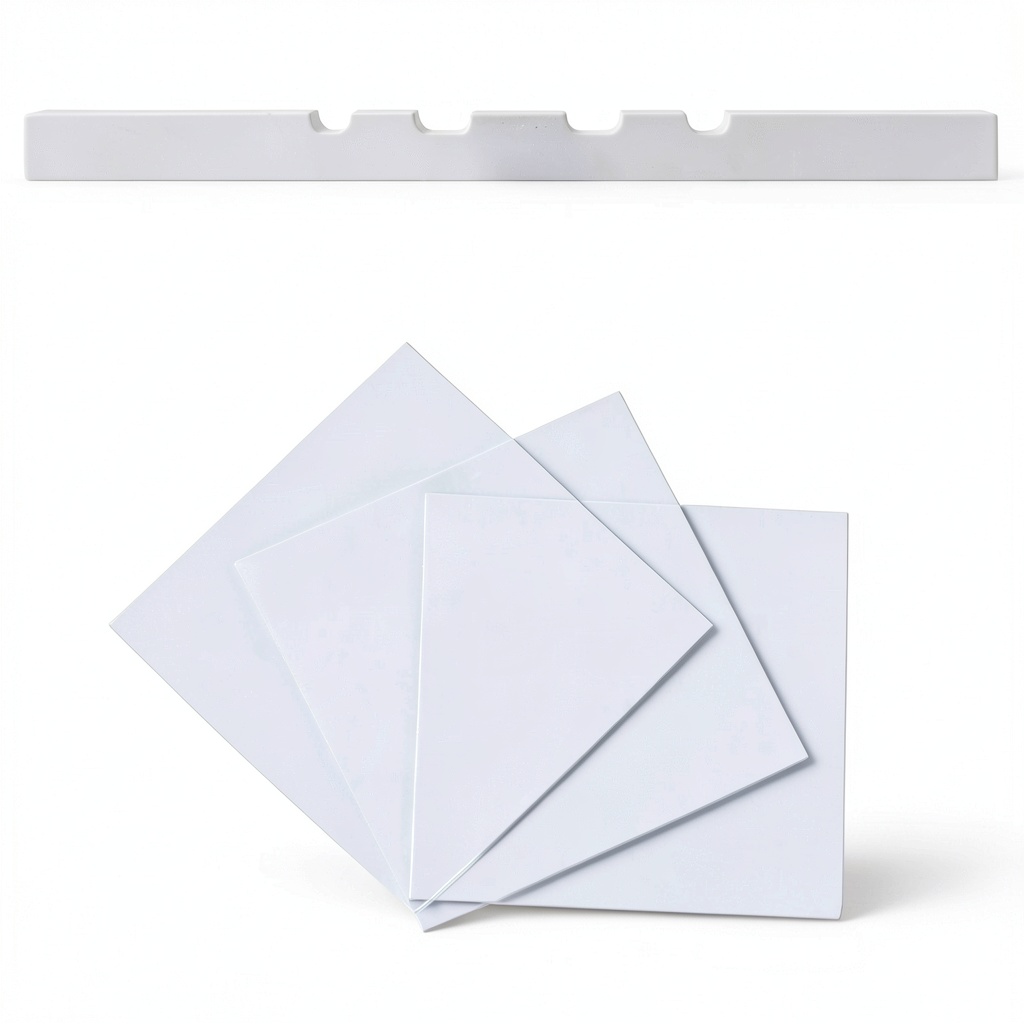
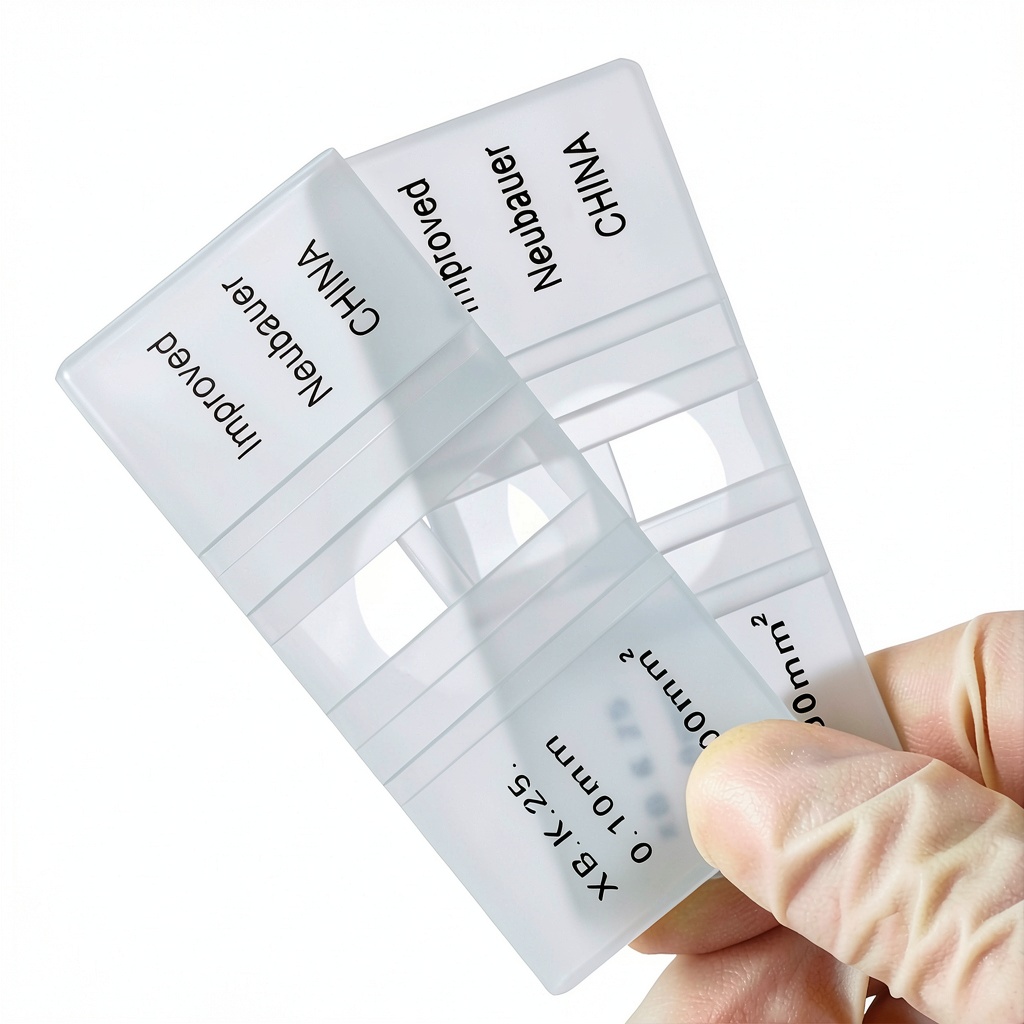
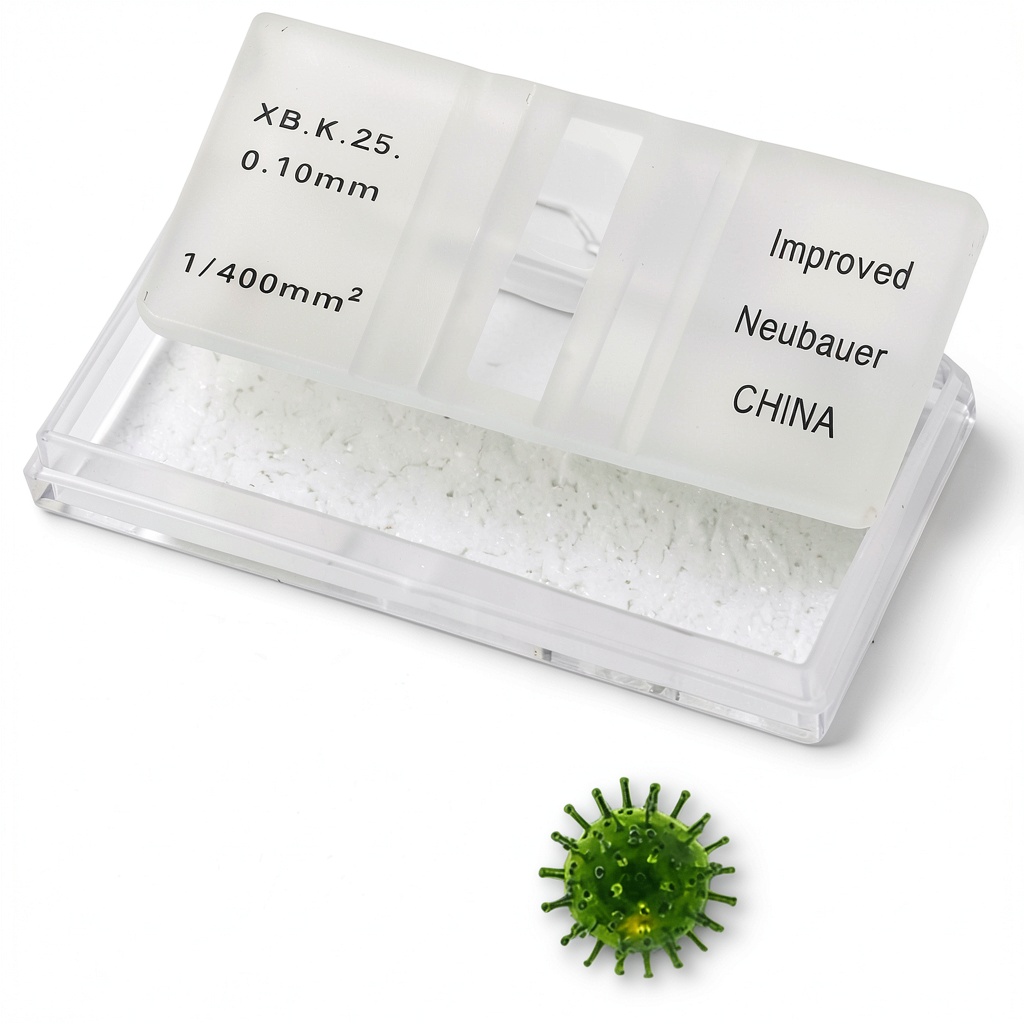
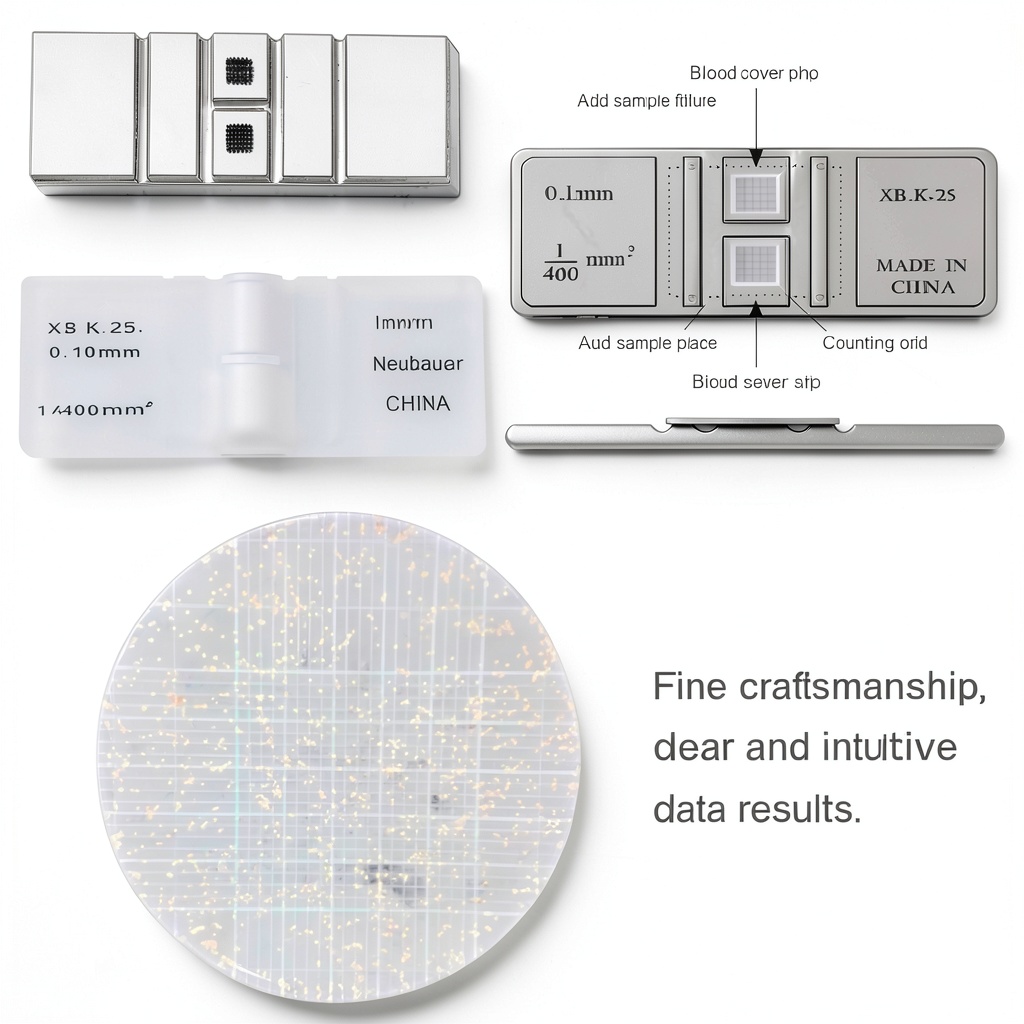
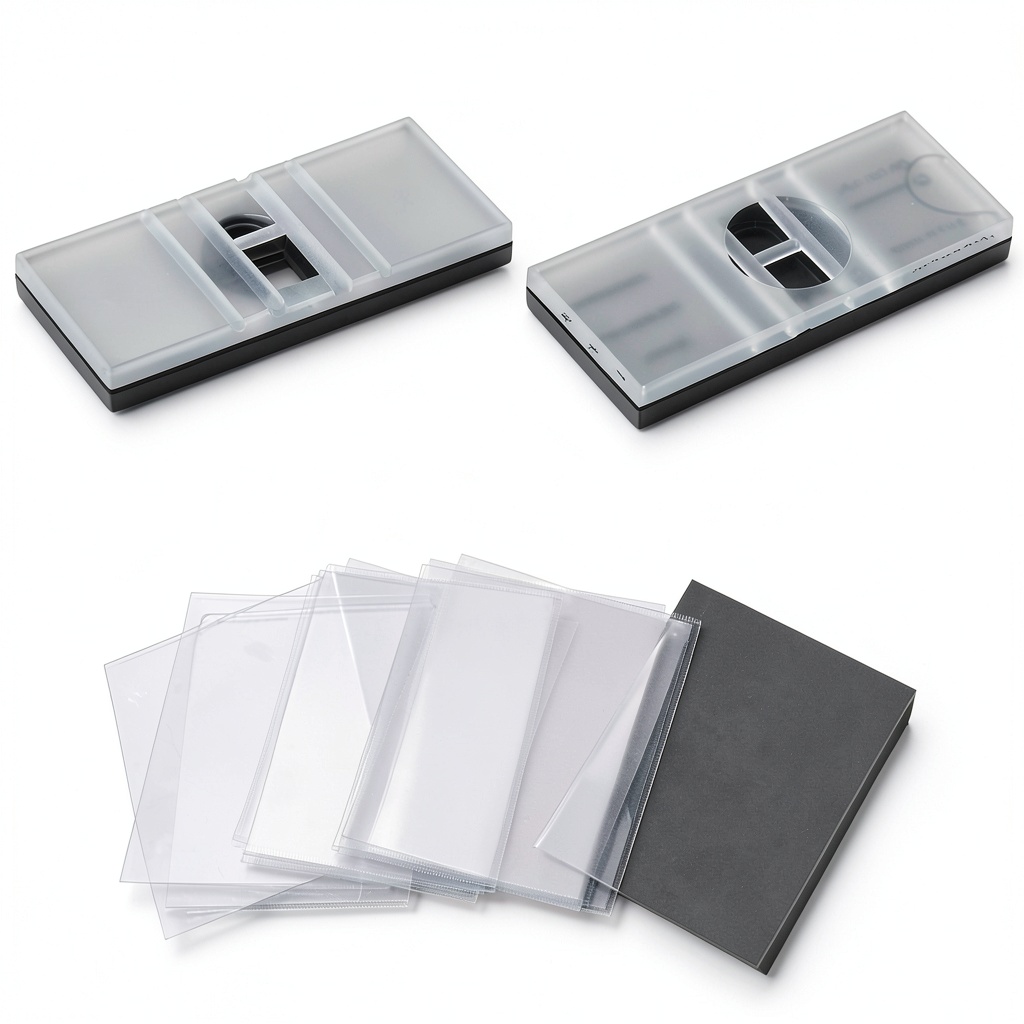
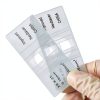
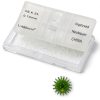
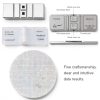
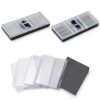
The SHAUSE hemocytometer is a precision‑engineered glass counting chamber designed for accurate determination of cell density in a wide range of biological samples. Constructed from high‑quality borosilicate glass, the chamber offers exceptional optical clarity and resistance to chemical corrosion, ensuring reliable performance even after repeated cleaning cycles. The device includes a full set of 100 cover slides measuring 22 × 26 mm, each fabricated with a smooth, burr‑free edge to prevent sample distortion and to provide consistent thickness for reproducible measurements. The chamber’s grid pattern follows the internationally recognized Neubauer design, featuring a central counting area divided into 25 large squares and 16 peripheral squares, allowing users to calculate concentrations with confidence. With a durable frame and uniform force distribution across the chamber surface, the hemocytometer maintains its shape and accuracy over prolonged laboratory use, making it a cost‑effective solution for routine cell counting tasks.
Designed for both research and clinical environments, the hemocytometer accommodates a variety of sample types, including whole blood, cultured cells, bacteria, and yeast. Its transparent construction enables easy observation under standard bright‑field microscopes at magnifications ranging from 100× to 400×, while the etched grid remains visible without the need for additional staining. The included cover slides are pre‑treated to reduce surface tension, facilitating uniform spreading of liquid specimens and minimizing air bubble formation. This combination of high‑grade materials, precise engineering, and user‑friendly accessories ensures that the SHAUSE hemocytometer delivers repeatable, high‑resolution data essential for quantitative analysis, quality control, and experimental reproducibility.
The chamber measures 76 mm × 26 mm × 1 mm, fitting standard microscope stage clips and accommodating a range of objective lenses without obstruction. Its optical grade surface is free from internal bubbles, providing a distortion‑free view across the entire grid. The device complies with ISO 9001 quality management standards and meets ASTM specifications for laboratory glassware, assuring users of its conformity to industry benchmarks.
The hemocytometer’s optical resolution allows detection of particles as small as 2 µm, making it suitable for counting a broad spectrum of microorganisms and subcellular components. It is compatible with popular image analysis platforms such as ImageJ, CellProfiler, and proprietary laboratory software, enabling automated counting and data export. Calibration checks can be performed using standardized microsphere suspensions, ensuring that the grid dimensions remain within ±0.5 % of the nominal values. This level of precision supports high‑throughput screening and quantitative research where reproducibility is paramount.
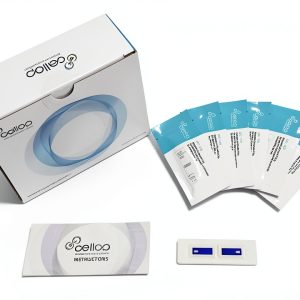
![[Product front view showing all components]](https://www.yelvora.store/wp-content/uploads/2026/07/1bf5ded2b59548699010d29bb4378de2.jpg)
Usage
The hemocytometer is ideally suited for routine hematology workflows, such as complete blood counts, platelet enumeration, and differential leukocyte assessments. Laboratory technicians can quickly load a small volume of diluted blood onto the cover slide, place it over the counting grid, and obtain cell counts within minutes, streamlining diagnostic turnaround times. In microbiology labs, the chamber supports bacterial colony counting and viability assays, providing a reliable platform for determining colony‑forming units per milliliter (CFU/mL) in culture media.
Beyond clinical diagnostics, the device serves as an essential tool for cell culture facilities, where researchers monitor cell proliferation, viability, and concentration during sub‑culturing, cryopreservation, and drug screening experiments. The robust glass construction tolerates a range of staining protocols, including trypan blue exclusion and fluorescent dyes, without compromising the integrity of the grid or the cover slides. Its compatibility with automated image analysis software further enhances throughput for high‑content screening applications.
Educational institutions also benefit from the hemocytometer’s straightforward operation and clear visual cues, making it an excellent teaching aid for undergraduate biology, microbiology, and biotechnology courses. Students gain hands‑on experience in quantitative microscopy, learning to calculate cell concentrations, assess sample purity, and interpret statistical variations across replicates. The inclusion of 100 cover slides ensures that classroom groups have sufficient consumables for repeated exercises throughout the semester.
To prepare a sample, users typically dilute whole blood 1:200 with isotonic saline, mix gently, and load 10 µL onto a cover slide using a calibrated pipette. After placing the slide onto the chamber, the specimen spreads by capillary action, forming a uniform layer within seconds. Counting is performed by enumerating cells in the designated squares, applying the appropriate dilution factor, and calculating concentration using the standard formula. This straightforward workflow minimizes operator error and accelerates data acquisition.
In advanced applications, the hemocytometer can serve as a reference method for validating flow cytometry cell counts, providing a manual benchmark against which automated instruments are calibrated. Researchers often employ the chamber to assess cell viability after exposure to cytotoxic agents, using dual‑staining protocols that differentiate live from dead cells. The clear glass surface also facilitates real‑time observation of cell morphology changes, supporting studies in cell biology, immunology, and pharmacology.
Why Choose Us
Choosing the SHAUSE hemocytometer means investing in a product that meets rigorous quality standards and is backed by a manufacturer with a proven track record in laboratory glassware. Each chamber undergoes strict optical testing to verify grid accuracy, surface flatness, and absence of defects, guaranteeing that every measurement reflects true sample characteristics. The glass is sourced from certified suppliers and undergoes a specialized annealing process that eliminates internal stresses, reducing the risk of breakage during handling.
The design incorporates a smooth, chemically inert surface that resists etching, scratching, and staining residue, extending the lifespan of the chamber even under demanding cleaning regimens. Users appreciate the uniform thickness of the cover slides, which eliminates variability caused by uneven glass, thereby improving reproducibility across experiments. Additionally, the product is packaged in a protective case that shields the delicate components from mechanical shocks during shipping and storage.
Customer support is a core component of the SHAUSE experience. Our technical assistance team is available to answer questions regarding proper usage, maintenance, and troubleshooting, ensuring that laboratories can maintain optimal performance with minimal downtime. We also offer a comprehensive warranty that covers manufacturing defects, reflecting our confidence in the durability and precision of the hemocytometer.
SHAUSE is committed to environmentally responsible manufacturing, employing recycled glass where feasible and reducing waste through efficient production processes. The packaging is designed for minimal material usage and is fully recyclable, aligning with laboratory sustainability initiatives. By choosing our hemocytometer, laboratories not only gain a high‑performance tool but also support greener scientific practices.
Our manufacturing facilities hold ISO 13485 certification for medical device quality, reflecting adherence to stringent regulatory requirements applicable to diagnostic equipment. SHAUSE also provides comprehensive user manuals, video tutorials, and on‑site training options to ensure that laboratory personnel can quickly master proper loading techniques, counting methods, and maintenance procedures. This educational support reduces the learning curve and promotes consistent data quality across multiple users.
Key Features
- High‑quality borosilicate glass provides superior optical clarity and chemical resistance, ensuring accurate cell visualization and long‑term durability even after repeated cleaning cycles.
- Complete set of 100 pre‑treated 22 × 26 mm cover slides with smooth, burr‑free edges eliminates sample distortion and guarantees consistent thickness for reliable measurements.
- Standard Neubauer grid layout with 25 large and 16 peripheral squares enables precise calculation of cell concentrations across a wide range of sample types.
- Smooth, corrosion‑resistant surface tolerates various staining methods and cleaning agents, maintaining grid integrity and reducing maintenance effort for busy laboratory environments.
- Dedicated customer support and warranty coverage provide peace of mind, offering expert assistance and protection against manufacturing defects for sustained laboratory productivity.
FAQ
Can this hemocytometer be used with fluorescent microscopes?
Yes, the transparent borosilicate glass is compatible with both bright‑field and fluorescence microscopy, allowing researchers to visualize stained cells or fluorescent markers without compromising image quality.
How should the cover slides be cleaned and stored?
After each use, gently rinse the cover slides with distilled water, soak in a mild detergent solution if needed, rinse again, and air‑dry on a lint‑free surface. Store them in the supplied protective case to prevent scratches.
What is the recommended sample volume for accurate counting?
A typical protocol uses 10 µL of diluted sample placed on the cover slide, which spreads evenly across the grid when the slide is lowered onto the chamber, providing sufficient coverage for reliable enumeration.
Is the hemocytometer calibrated for specific cell types?
The chamber follows the standard Neubauer design, which is universally applicable for counting blood cells, cultured mammalian cells, bacteria, and yeast. Users may adjust dilution factors according to the specific cell size and concentration of their samples.
What is the shelf life of the cover slides?
When stored in the provided protective case away from direct sunlight and extreme temperatures, the 100 cover slides retain their optical clarity and dimensional stability for at least five years.
 Tochic Rustic Billiard Light Farmhouse Bear Design Game Room
  Tochic Billiard Light Professional Pool Table Fixture Game
  MEJYJEM Dog Stairs High Density Foam Steps Pet Supplies
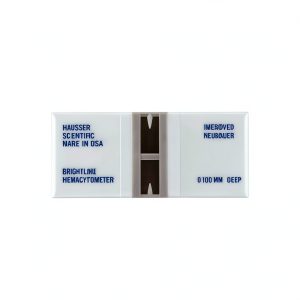
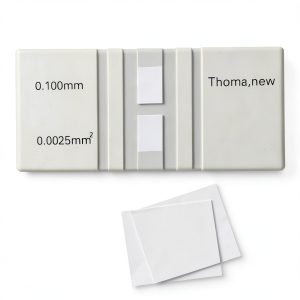
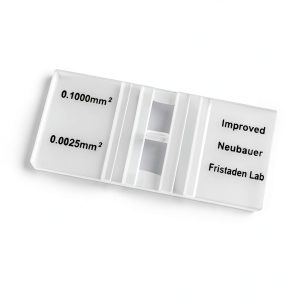
 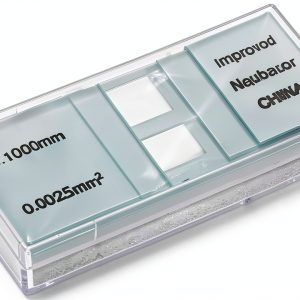 Improved Neubauer Hemocytometer Wintopscope Double Counting Chamber
Reviews
There are no reviews yet.