
Description
Product Overview
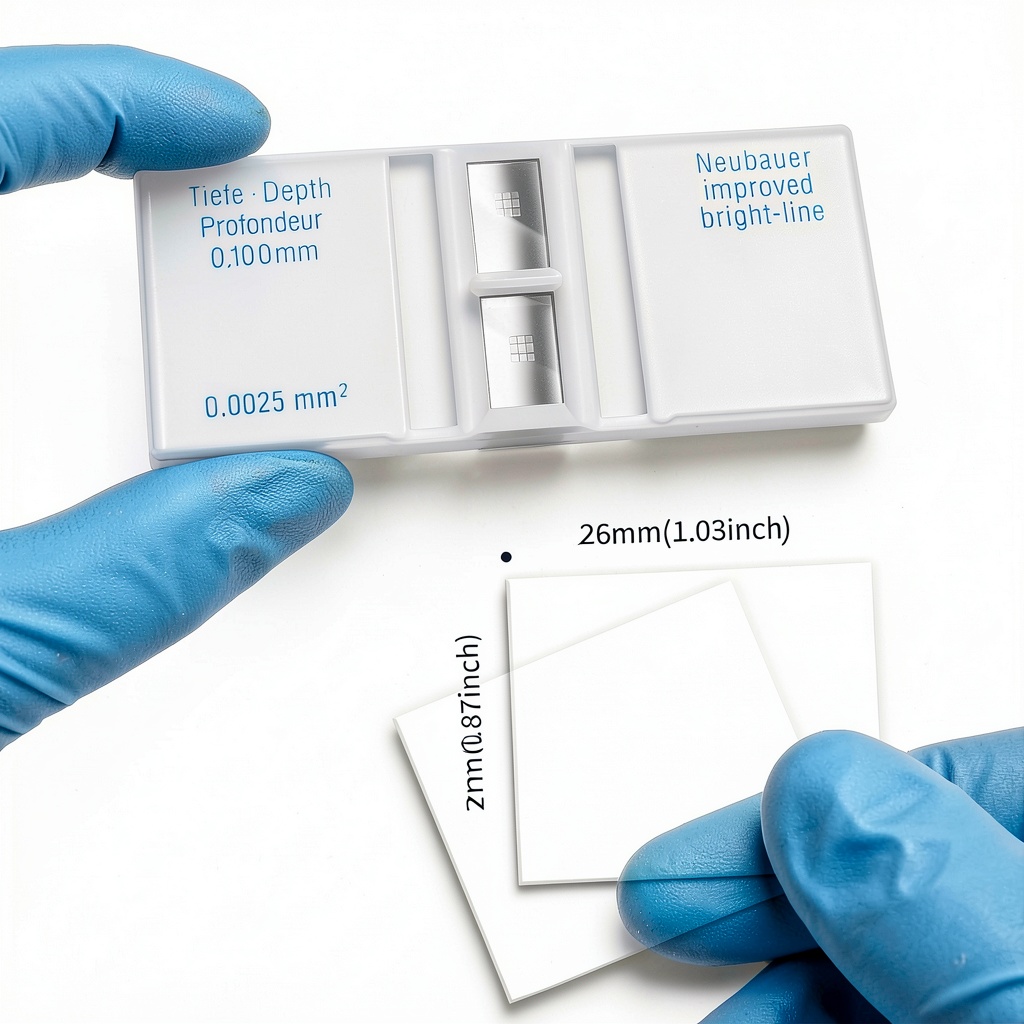
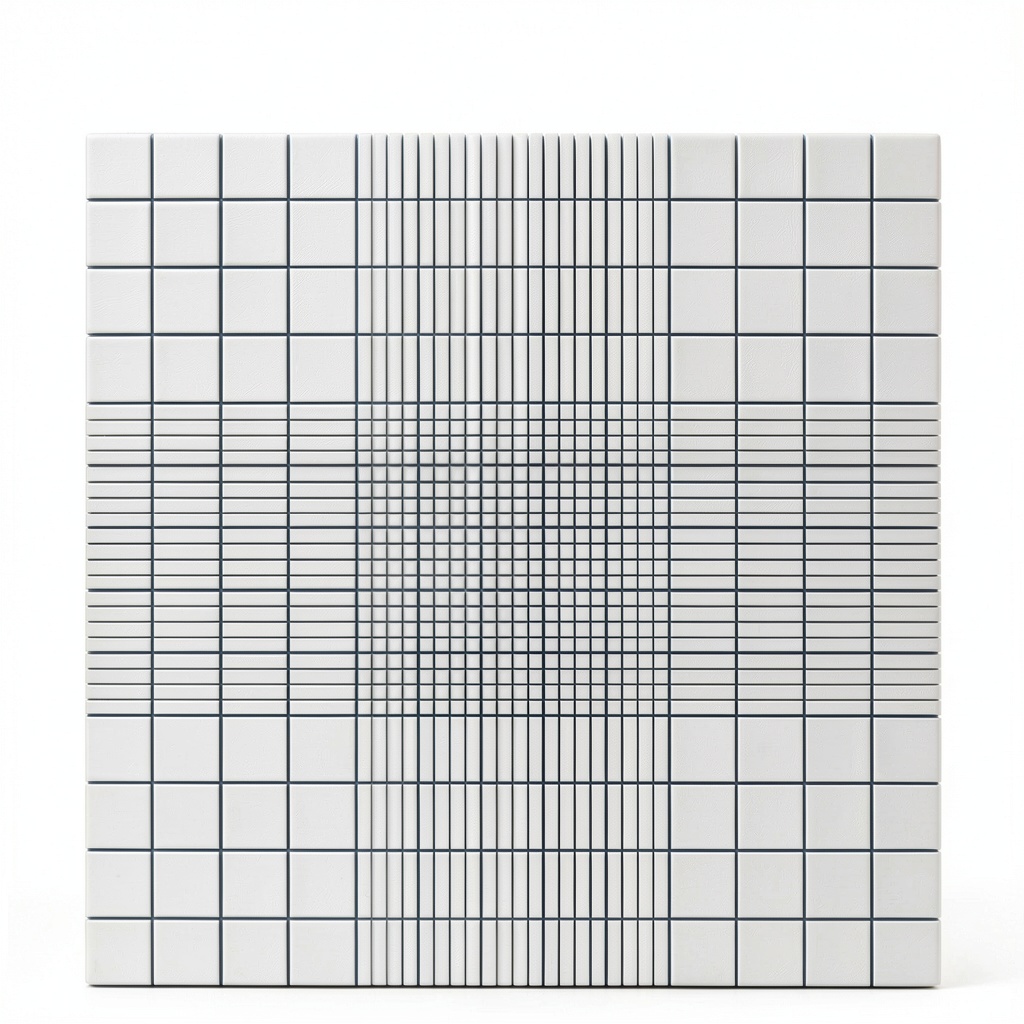
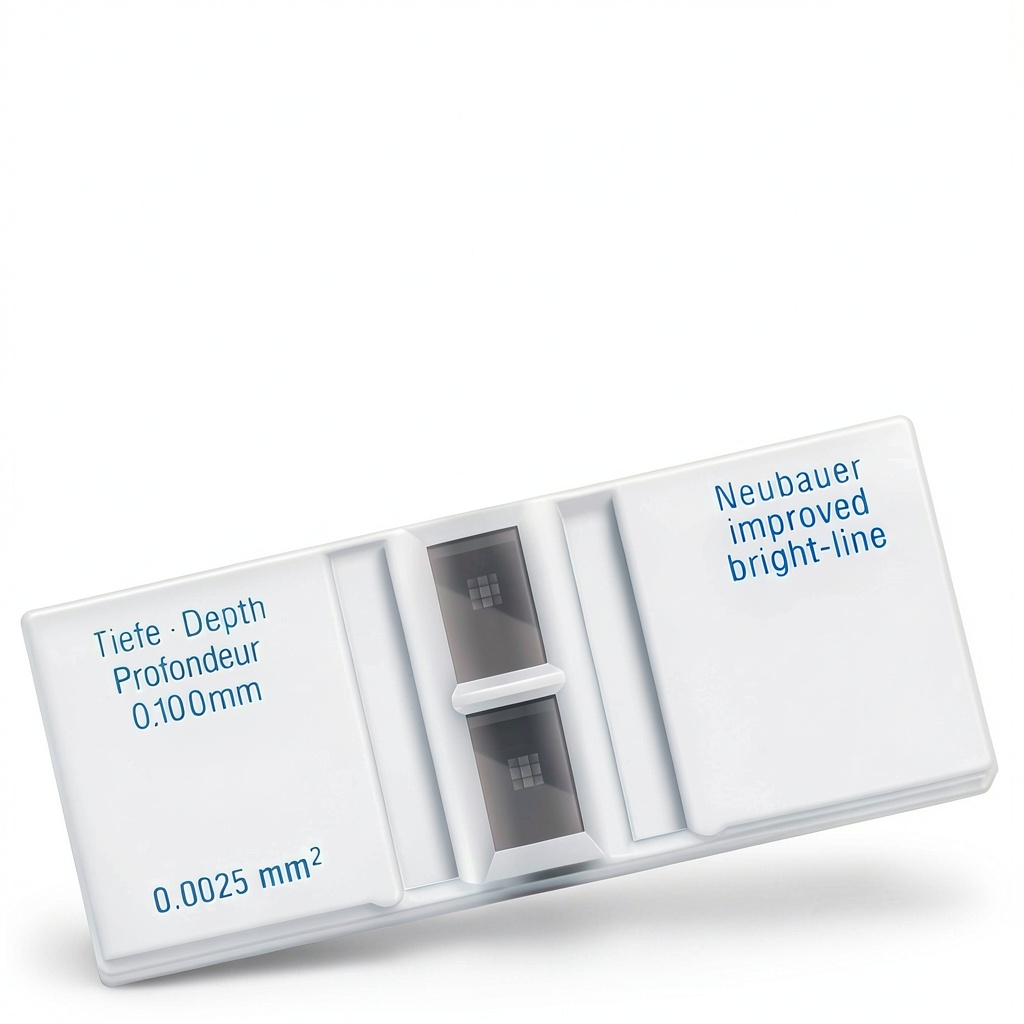
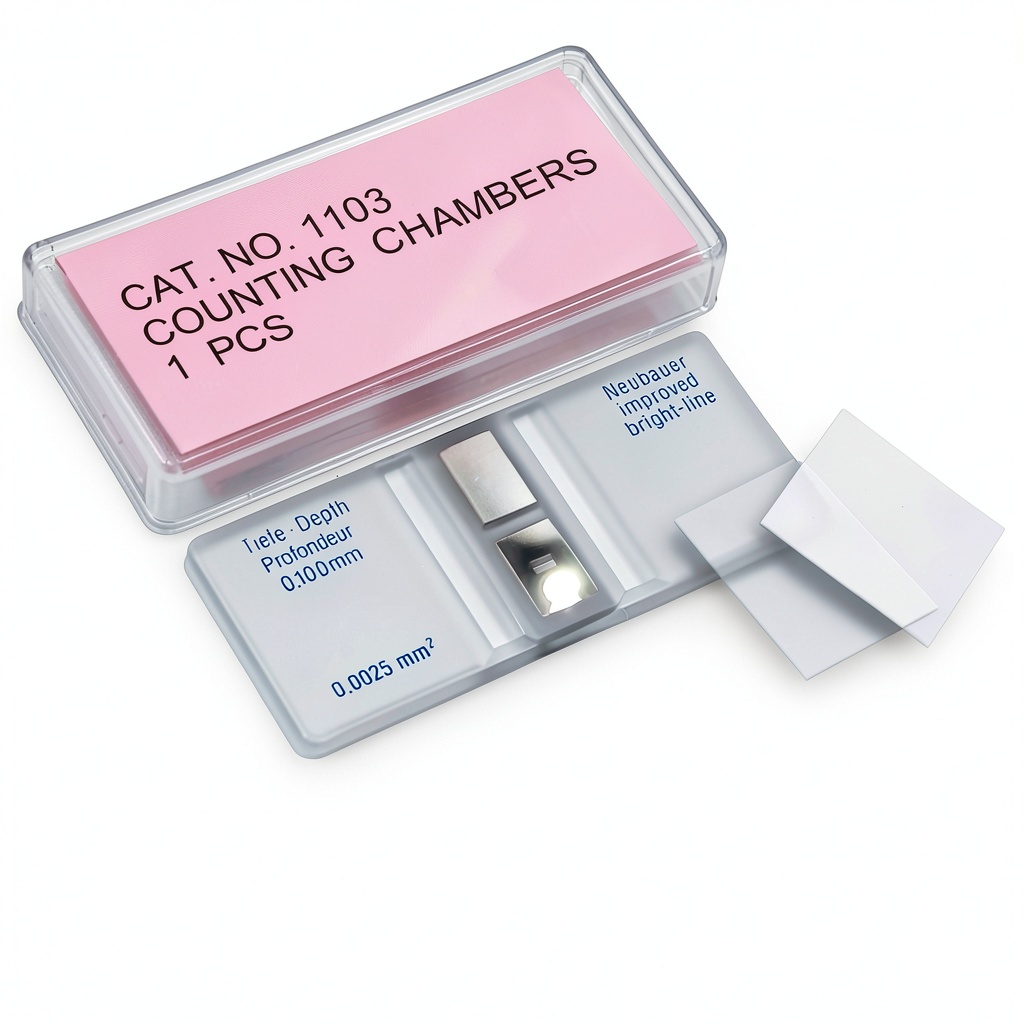
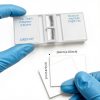
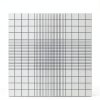
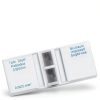
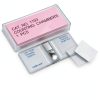
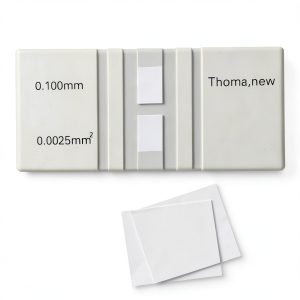
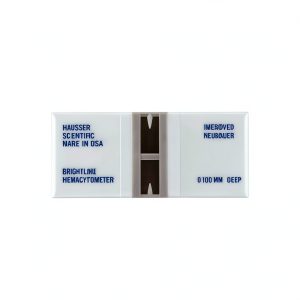
The Pulsecore Cell Counting Chamber is engineered for scientists who demand uncompromising accuracy and repeatability in microscopic quantification. Featuring a chrome‑plated counting grid with a precisely machined 0.1 mm depth, the chamber provides a uniform volume across every square, eliminating variability caused by uneven surfaces. The dual‑chamber design incorporates nine large 1 mm² grids and a central region of 25 squares each subdivided into 400 miniature 0.05 mm² cells, enabling both high‑throughput screening and detailed single‑cell analysis. Constructed from polished optical glass measuring 32 × 75 × 4.5 mm and weighing only 27 g, the device offers exceptional clarity while remaining lightweight and easy to handle. Two reusable 22 × 26 mm cover slips accompany the chamber, allowing sterile, repeatable measurements without the need for disposable accessories.
![[Product front view showing all components]](https://www.yelvora.store/wp-content/uploads/2026/07/07193db955d940ab92b905aab3076666.jpg)
Usage
Designed for a broad range of laboratory environments, this hemocytometer excels in cell culture labs, microbiology facilities, pollen analysis stations, and medical diagnostic centers. The high‑contrast chrome‑plated grid ensures that cells, spores, or bacteria are easily visible under standard bright‑field or phase‑contrast microscopes, reducing the time required for manual counting. The standardized depth of 0.1 mm aligns with ISO‑specific protocols, guaranteeing that calculated concentrations are directly comparable to industry benchmarks. Users can process two separate samples simultaneously, thanks to the dual‑chamber layout, which is especially valuable when comparing treated versus control groups or when performing duplicate counts for quality assurance. The reusable cover slips are compatible with standard pipettes and can be sterilized between uses, minimizing cross‑contamination risk and supporting high‑throughput workflows.
Why Choose Us
Pulsecore’s commitment to precision manufacturing is reflected in every aspect of this counting chamber. The chrome‑plated grid is laser‑etched to produce razor‑sharp lines that resist wear and maintain optical clarity even after repeated cleaning cycles. Optical‑grade glass is selected for its low autofluorescence, making the chamber suitable for fluorescence‑based assays as well as traditional staining methods. Each unit undergoes rigorous quality control, including depth verification with calibrated micrometers and grid uniformity testing under high‑resolution microscopy. In addition to the superior build quality, Pulsecore provides responsive technical support, offering guidance on optimal counting techniques, calibration procedures, and troubleshooting. A comprehensive user manual and video tutorials are included, ensuring that both novice and experienced researchers can achieve reliable results from day one.
Key Features
- Chrome‑plated grid delivers high‑contrast visibility for fast, accurate counting.
- Standardized 0.1 mm depth ensures consistent volume across all counting squares.
- Dual‑chamber design enables parallel sample processing, boosting productivity.
- Polished optical glass provides crystal‑clear imaging and low autofluorescence.
- Reusable cover slips and dedicated customer support reduce long‑term operating costs.
FAQ
What is the advantage of a chrome‑plated grid over a silver‑plated one?
Chrome plating creates darker, sharper lines that improve contrast under a microscope, making cells easier to distinguish from the background. Silver plating can appear lighter and may degrade faster, reducing counting accuracy over time.
Can this chamber be used for fluorescence microscopy?
Yes. The optical‑grade glass has low autofluorescence, allowing clear observation of fluorescently labeled specimens without background interference.
How do I clean and sterilize the reusable cover slips?
Cover slips can be rinsed with distilled water, soaked in 70% ethanol, and autoclaved at 121 °C for 15 minutes. Ensure they are completely dry before reuse to maintain optical clarity.
Is the chamber compatible with all standard microscopes?
The chamber dimensions (32 × 75 mm) fit the stage of most upright and inverted microscopes. It is also compatible with common pipette sizes, making sample loading straightforward.
What is the recommended counting protocol for pollen samples?
Prepare a pollen suspension in a suitable buffer, load the sample into one chamber, and use the central 25‑square region for counting. Apply the standard conversion factor based on the 0.1 mm depth to calculate pollen concentration per milliliter.
Reviews
There are no reviews yet.